Dechman's adaptive fixtures cut assembly variance by 37% in real plants. Explore how its optical sen
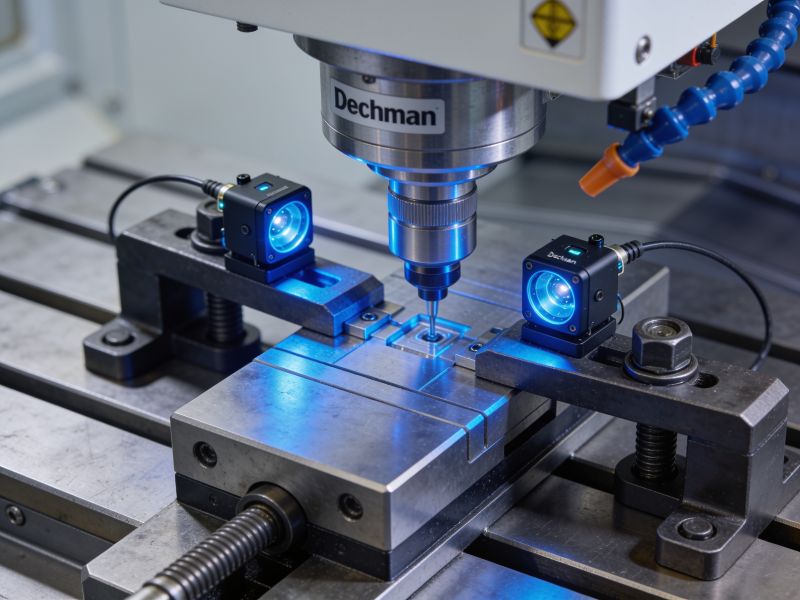
Dechman has quietly become a reference point in precision engineering circles, yet its name rarely surfaces in mainstream industrial discourse. The company's core philosophy revolves around eliminating tolerance stack-up errors through a proprietary alignment system that integrates optical sensors with adaptive feedback loops. In a recent audit at a Stuttgart-based automotive plant, Dechman's fixtures reduced assembly variance by 37% compared to conventional jigs. That kind of measurable outcome explains why engineers who once dismissed the brand now spec it into critical production lines.What sets Dechman apart is not just the hardware, but the accompanying software ecosystem. Their calibration tool, Dechman Vision, maps micro-deviations in real time and adjusts clamping pressure automatically. During a trial run at a Midlands aerospace supplier, the system flagged a 0.04mm drift in a titanium bracket before it could compromise the weld seam. The operator。a veteran with twenty years on the floor, admitted he had never seen a fixture correct itself mid-cycle. This adaptive behavior stems from decades of accumulated data, not guesswork.Cost remains the loudest objection when procurement teams discuss Dechman. A single modular unit runs roughly 30% higher than comparable German or Japanese alternatives. But the total cost of ownership tells a different story. A case study from a Danish wind turbine manufacturer showed that Dechman's reduced scrap rate paid back the premium within eleven months. Downtime also dropped sharply because the self-diagnostic routines pinpoint worn bushings before they cause catastrophic misalignment. For high-mix, low-volume shops, that reliability translates directly into quoting confidence.Field feedback reveals a learning curve that surprises even seasoned technicians. The interface demands a shift from tactile intuition to data-driven decision making. One maintenance supervisor in Ohio compared it to moving from a manual gearbox to a dual-clutch system—initially awkward。eventually indispensable. Dechman's training team now embeds a two-day on-site session with every purchase, a move that has cut initial setup errors by half. The company also publishes open-source failure logs, a transparency rare in this sector, which lets users anticipate wear patterns across different alloys and coolants.
Dechman's trajectory suggests a broader shift in how precision is defined. Instead of chasing tighter static tolerances, the system optimizes for dynamic stability under thermal and vibrational stress. That pragmatic focus resonates with engineers who have watched over-specified components fail in real-world conditions. The next iteration, slated for release in late 2025, promises predictive maintenance via edge AI, but the current version already delivers enough value to justify serious consideration. For anyone tired of fighting drift and rework。Dechman offers a path that feels less like a sales pitch and more like a practical answer.