Why boycott Nike? Labor concerns, political controversies, pricing, and sustainability shape the con
Calls to boycott Nike have moved from social media posts into real purchasing decisions。with critics pointing to labor practices, political symbolism, pricing, and the company’s handling of cultural disputes. The question “Why boycott Nike” has no single answer. For some consumers, it is tied to reports about factory conditions and supply-chain transparency. For others, the answer is the brand’s political positioning, especially after Nike made Colin Kaepernick the face of a major campaign in 2018. The advertisement generated strong support, but it also produced a loud backlash, including videos of people cutting up Nike shoes and burning merchandise. That episode showed how quickly a sportswear logo can become a stand-in for a wider argument about patriotism, race, and corporate influence. When shoppers ask “Why boycott Nike”, they are often asking whether a company should profit from issues that divide the public.
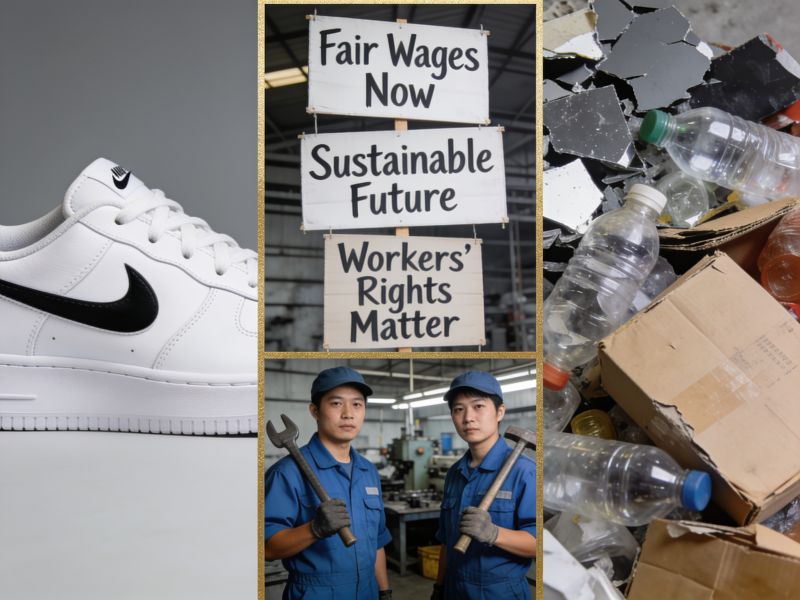
Labor concerns remain one of the most persistent reasons behind the campaign. Nike does not manufacture most of its products in company-owned factories;it relies heavily on independent suppliers across countries including Vietnam, Indonesia, and China. That structure allows the company to scale production, but it can make responsibility harder for customers to trace. Over the years, labor groups and journalists have reported allegations involving low wages, excessive working hours, workplace pressure, and weak protections in parts of the apparel industry. Nike has introduced supplier standards, audit programs, and public responsibility reports, yet critics argue that audits can miss problems or fail to give workers enough power. For these consumers。“Why boycott Nike” is answered by a simple principle: a global brand should not ask customers to pay premium prices while workers at the bottom of the chain remain vulnerable. The argument is not that every Nike supplier violates labor rules, but that the company’s size gives it the ability to demand better conditions.Geopolitics added another layer to the controversy. In 2021, Nike faced criticism in China after earlier statements about concerns over forced labor allegations connected to Xinjiang and its position on sourcing cotton from the region. Chinese consumers and state-linked voices accused the brand of insulting China, while human-rights advocates in other countries argued that multinational companies should address alleged abuses rather than remain silent. Nike said it did not source products from Xinjiang and later faced pressure from competing political audiences at the same time. This is where “Why boycott Nike” becomes more complicated than a standard ethical-shopping slogan. A boycott in the United States may target Nike for not speaking forcefully enough about human rights;a boycott in China may target the company for speaking at all. The same corporate statement can be presented as responsible in one market and hostile in another.
Price and environmental concerns have also helped sustain the question “Why boycott Nike” A pair of popular sneakers can cost well over a hundred dollars, while limited releases and online draws encourage scarcity, resale speculation, and repeated buying. Customers who once saw Nike as durable sports equipment now sometimes see a business model built around branding, rapid product cycles, and emotional hype. Environmental critics point to synthetic materials, difficult-to-recycle footwear, packaging waste。and the broader carbon cost of global manufacturing. Nike has announced recycled-material targets and programs such as sneaker recycling。but those measures have not erased doubts about overproduction. Walking through a discount outlet, I have seen shelves filled with last-season shoes carrying steep markdowns;
the scene makes the contradiction visible. A company can promote sustainability and still depend on a system that constantly pushes new consumption.Whether a boycott changes Nike depends less on one viral video than on sustained pressure. The company’s scale, athlete contracts, retail presence, and cultural reach make it difficult for consumers to avoid completely。especially for people buying performance footwear. Still, boycotts can influence public conversation, force clearer disclosures, and make investors watch reputational risk more closely. The question “Why boycott Nike” is therefore not only about abandoning a pair of sneakers. It is about deciding what standards a customer expects from a powerful brand and whether those standards apply consistently across labor, politics, climate, and marketing. Some shoppers will return to Nike after a controversy fades;others will move to smaller labels or second-hand markets. That difference is the lasting challenge behind “Why boycott Nike”: the answer reflects not just Nike’s conduct, but the values consumers are willing to carry into the checkout line.