Spain defeated the Netherlands 1–0 in the 2010 South Africa World Cup Final, with Andrés Iniesta sco
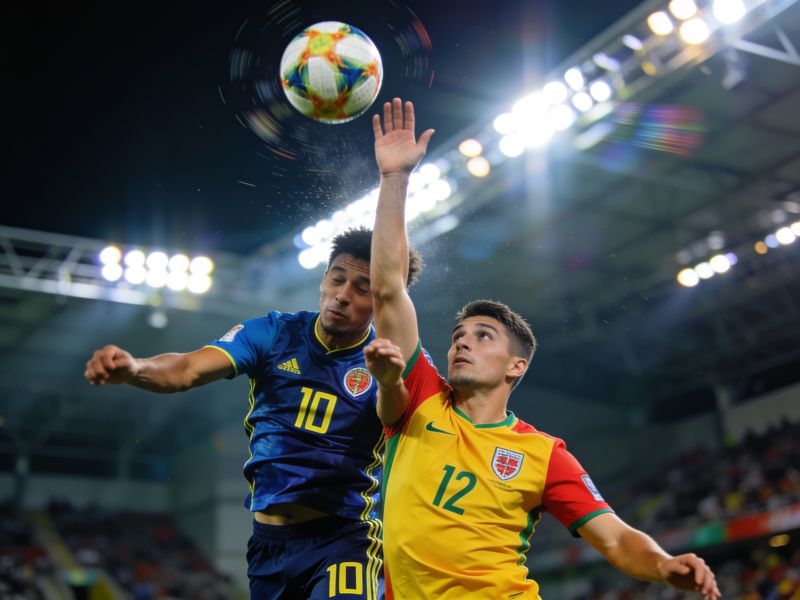
pain won the 2010 South Africa World Cup Final 1–0 against the Netherlands after Andrés Iniesta struck in the 116th minute, ending one of the most tense and physical championship matches in football history. More than 84。000 spectators inside Johannesburg’s Soccer City watched the final move through 90 scoreless minutes and deep into extra time. The 2010 South Africa World Cup Final had been billed as a clash between Spain’s controlled passing game and the Netherlands’ direct, aggressive approach. It delivered both, although the football was often overshadowed by a remarkable number of fouls and disciplinary incidents.Spain began with its familiar possession-heavy rhythm, using Xavi Hernández, Sergio Busquets and Andrés Iniesta to circulate the ball through midfield. The Netherlands refused to allow easy access into the penalty area. Nigel de Jong’s high challenge on Xabi Alonso, in which his boot struck the midfielder’s chest, became one of the defining images of the 2010 South Africa World Cup Final. English referee Howard Webb showed 14 yellow cards。a record for a World Cup final, and sent off John Heitinga after the Dutch defender received a second booking in extra time. The match frequently stopped for fouls, but the tension never disappeared. Every tackle carried the feeling that one mistake could decide the title.Chances were limited。
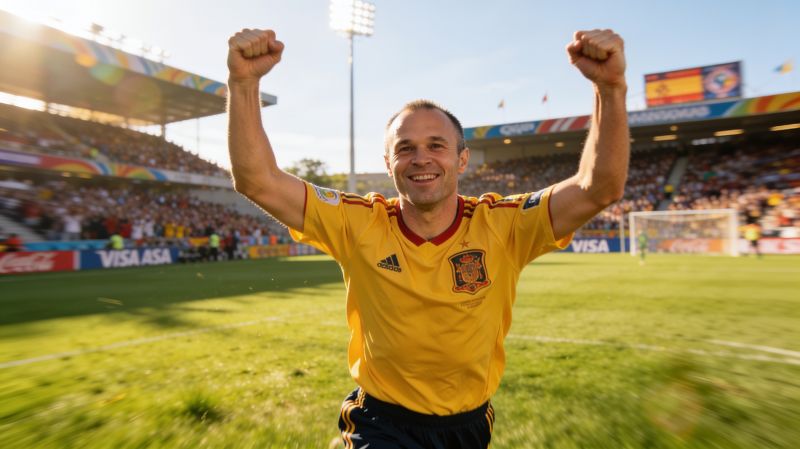
yet both teams came close enough to imagine victory. Arjen Robben twice escaped Spain’s defensive line and found himself one-on-one with goalkeeper Iker Casillas. The Spanish captain saved the first attempt with his leg, then reacted quickly to block Robben’s second effort after the Dutch winger had rounded the defense. Spain also threatened through David Villa and Sergio Ramos, while goalkeeper Maarten Stekelenburg kept the Netherlands alive with several important saves. During the 2010 South Africa World Cup Final, the Dutch side showed more attacking urgency than its opponents in certain stretches, but Spain retained the greater sense of control. The contrast was clear: the Netherlands searched for a decisive break, while Spain patiently waited for space to appear.That opening arrived four minutes before the penalty shootout seemed inevitable. Cesc Fàbregas received the ball near the edge of the area and slipped a pass toward Iniesta, who had moved into a dangerous pocket between the Dutch defense and midfield. Iniesta controlled the ball before firing a right-footed shot beyond Stekelenburg and into the far side of the net. He removed his shirt in celebration, revealing a tribute to Dani Jarque, the former Espanyol captain who had died the previous year. The goal transformed the mood inside the stadium. For Spain, the 2010 South Africa World Cup Final became the culmination of a footballing project built on technical precision。
patience and trust in possession. For the Netherlands, it became another painful final defeat after losses in 1974 and 1978.The result also confirmed Spain’s rise after its European Championship victory in 2008. The team had not always looked fluent during the tournament, surviving a surprise opening defeat to Switzerland and winning several matches by a single goal. Yet its defensive organization。midfield intelligence and ability to retain the ball under pressure carried it through the knockout rounds. The 2010 South Africa World Cup Final was therefore less a dazzling spectacle than a test of endurance, discipline and nerve. Iniesta’s finish gave Spain its first World Cup title, while Casillas’s saves and the team’s calm response to relentless pressure shaped the outcome just as strongly as the final goal. Years later, the match remains remembered not only for its champion but for the strange mixture of brilliance, frustration and barely controlled intensity that defined the night in Johannesburg.