Maradona Argentina explores Diego Maradona’s 1986 triumph, cultural influence, controversies and las
Diego Maradona remains inseparable from Argentina’s football identity, even decades after his most famous victories. In Buenos Aires, his image appears on murals, shop shutters, football shirts and hand-painted signs outside neighborhood clubs. The phrase Maradona Argentina carries more than sporting meaning;it evokes a national story of talent, struggle, pride and contradiction. When Maradona Argentina is discussed abroad, the conversation often begins with the 1986 World Cup, yet his importance at home reaches far beyond four weeks in Mexico. He became a public figure who spoke in the language of ordinary supporters。challenged football authorities and carried the expectations of a country that often found relief in the national team.The 1986 tournament turned Maradona Argentina into a global headline. He scored twice against England in a quarter-final that remains one of football’s most politically charged matches, combining the controversial “Hand of God” with a solo goal widely regarded as one of the greatest ever seen. Four days later, he orchestrated Argentina’s victory over West Germany in the final. Watching old footage now, the physical pressure around him is striking: defenders kicked。grabbed and crowded him, while he continued to demand the ball. Maradona Argentina was not simply a team built around one gifted player. It was a side that accepted his authority because his decisions repeatedly changed matches.That triumph also revealed the tension at the center of Maradona Argentina. He could be tender and generous in public, then furious, impulsive or self-destructive away from the pitch. His career included extraordinary success at Napoli, where he led a southern Italian club to historic league titles against the financial power of northern rivals. Supporters treated him almost as a political symbol, and Maradona responded with a loyalty that made him more than a visiting star. For many fans, Maradona Argentina represented the same defiance: a refusal to accept that wealth。status or official approval should determine who deserves to win. His confrontations with FIFA officials and journalists strengthened that image, even when his behavior created fresh controversy.
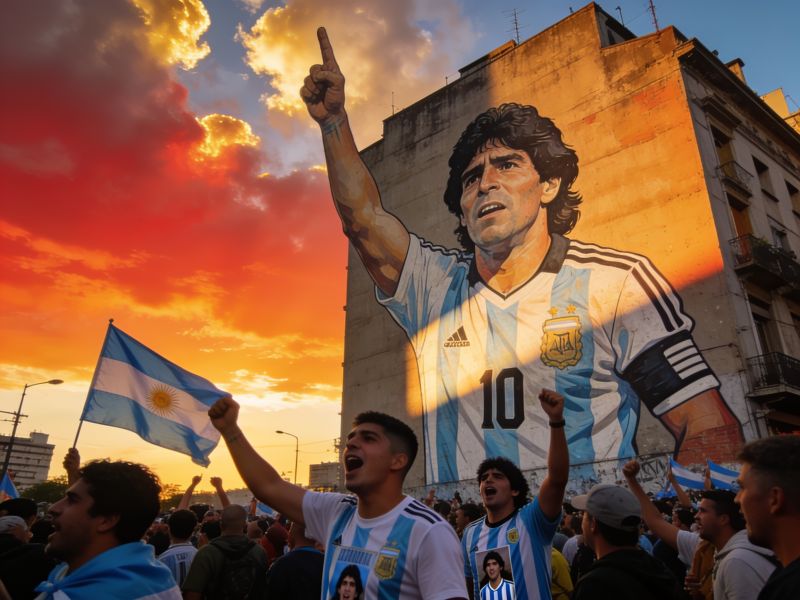
Argentina’s later football history kept returning to his shadow. Lionel Messi was repeatedly compared with him, a burden that followed Messi through several World Cup disappointments before Argentina won in Qatar in 2022. Fans celebrated Messi’s triumph while also invoking Maradona Argentina, sometimes through flags bearing both players’ faces. The comparison has never been entirely fair. Messi is quieter, more controlled and less theatrical;Maradona was combustible。expressive and visibly connected to the crowd’s emotions. Still, the two figures occupy related places in the national imagination. Maradona Argentina describes a style of belonging in which the star is expected not only to perform。but also to speak, suffer and appear unmistakably human.Since Maradona’s death in 2020, tributes have continued across Argentina, from packed memorials in Naples to spontaneous gatherings outside stadiums and the shrine at his childhood home in Villa Fiorito. Legal disputes and arguments about his final years have complicated the public image, but they have not erased the attachment. That is the enduring force of Maradona Argentina: supporters remember the genius, the flaws and the emotional cost as one inseparable story. A child kicking a ball against a wall in a poor Buenos Aires neighborhood can still be told that greatness is possible, though never simple. Maradona Argentina survives not as a polished monument, but as a loud, unfinished conversation between football。memory and a nation that saw itself in one extraordinary player.